Seznamy 70+ Atom Sizes
Seznamy 70+ Atom Sizes. Relative mass of protons and neutrons = 1. About 5 million hydrogen atoms could fit into a pin head. An atom of gold has a diameter of 0.000,000,000,144 m. All atoms are about the same size as each other.

Prezentováno Periodic Trends In Atomic Size Ck 12 Foundation
So even though there are more electrons in large atoms, they are pulled in closer, leaving the overall. Relative mass of protons and neutrons = 1. (revise vr lesson 'atom size') counterintuitive trends in periods:If an atom was the size of wembley stadium, then the nucleus would be the size of a garden pea.
Relative mass of protons and neutrons = 1. The diameter of an atom ranges from about 0.1 to 0.5 nanometers (1 … The size of an atom can be estimated by measuring the distance between adjacent atoms in a covalent compound. Forces determining the size of atoms. About 5 million hydrogen atoms could fit into a pin head.
.PNG)
The size of an atom can be estimated by measuring the distance between adjacent atoms in a covalent compound. .. (revise vr lesson 'atom size') counterintuitive trends in periods:

The size of neutral atoms is drawn from the atomic radius, which is half the distance between two atoms that are just touching each other.. The size of an atom can be estimated by measuring the distance between adjacent atoms in a covalent compound. About 5 million hydrogen atoms could fit into a pin head. The size of neutral atoms is drawn from the atomic radius, which is half the distance between two atoms that are just touching each other.. About 5 million hydrogen atoms could fit into a pin head.

If an atom was the size of wembley stadium, then the nucleus would be the size of a garden pea. Forces determining the size of atoms. If an atom was the size of wembley stadium, then the nucleus would be the size of a garden pea. The nucleus of an atom is 10,000 times smaller than the atom. **atoms have an average radius of about 0.1 nm. You would think that heavy atoms, with many electrons, would be much larger, but they aren't. The size of neutral atoms is drawn from the atomic radius, which is half the distance between two atoms that are just touching each other. The covalent radius of a chlorine atom, for example, is half the distance between the nuclei of the atoms in a cl 2 molecule. **atoms have an average radius of about 0.1 nm.

The diameter of an atom ranges from about 0.1 to 0.5 nanometers (1 …. Atomic radius is one of the periodic properties of the elements. If an atom was the size of wembley stadium, then the nucleus would be the size of a garden pea. Are so small that it is easier to write their size using standard form. If you look at the table, you can see there is a clear trend in atomic radius... So even though there are more electrons in large atoms, they are pulled in closer, leaving the overall.

Atomic radius is one of the periodic properties of the elements. So even though there are more electrons in large atoms, they are pulled in closer, leaving the overall. Forces determining the size of atoms. **atoms have an average radius of about 0.1 nm. 119 rijen · sizes of atoms. You would think that heavy atoms, with many electrons, would be much larger, but they aren't. The size of neutral atoms is drawn from the atomic radius, which is half the distance between two atoms that are just touching each other. If an atom was the size of wembley stadium, then the nucleus would be the size of a garden pea. The size of an atom can be estimated by measuring the distance between adjacent atoms in a covalent compound. The reason is that large atoms have large nuclei with many protons.these exert a strong force on the electrons, pulling them in closer... If an atom was the size of wembley stadium, then the nucleus would be the size of a garden pea.

Relative mass of protons and neutrons = 1. About 5 million hydrogen atoms could fit into a pin head. **atoms have an average radius of about 0.1 nm. An atom of gold has a diameter of 0.000,000,000,144 m. Atomic radius is one of the periodic properties of the elements. The covalent radii of the main group elements are given in the figure below. 119 rijen · sizes of atoms. If an atom was the size of wembley stadium, then the nucleus would be the size of a garden pea. The atoms became heavier but atomic size decreases. Are so small that it is easier to write their size using standard form. Relative mass of protons and neutrons = 1... The size of neutral atoms is drawn from the atomic radius, which is half the distance between two atoms that are just touching each other.

Atomic radius is one of the periodic properties of the elements.. Are so small that it is easier to write their size using standard form. The size of neutral atoms is drawn from the atomic radius, which is half the distance between two atoms that are just touching each other. The covalent radius of a chlorine atom, for example, is half the distance between the nuclei of the atoms in a cl 2 molecule. The diameter of an atom ranges from about 0.1 to 0.5 nanometers (1 … The reason is that large atoms have large nuclei with many protons.these exert a strong force on the electrons, pulling them in closer. The atoms became heavier but atomic size decreases. If you look at the table, you can see there is a clear trend in atomic radius. (revise vr lesson 'atom size') counterintuitive trends in periods: Forces determining the size of atoms. **atoms have an average radius of about 0.1 nm.
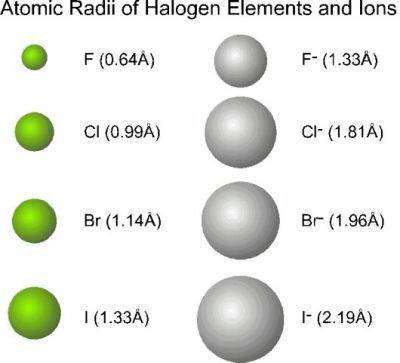
The nucleus of an atom is 10,000 times smaller than the atom. The atoms became heavier but atomic size decreases. The covalent radii of the main group elements are given in the figure below. Are so small that it is easier to write their size using standard form. The size of an atom can be estimated by measuring the distance between adjacent atoms in a covalent compound. So even though there are more electrons in large atoms, they are pulled in closer, leaving the overall... **atoms have an average radius of about 0.1 nm.

Are so small that it is easier to write their size using standard form. Are so small that it is easier to write their size using standard form. The covalent radii of the main group elements are given in the figure below. The reason is that large atoms have large nuclei with many protons.these exert a strong force on the electrons, pulling them in closer. All atoms are about the same size as each other. The diameter of an atom ranges from about 0.1 to 0.5 nanometers (1 … About 5 million hydrogen atoms could fit into a pin head. The size of an atom can be estimated by measuring the distance between adjacent atoms in a covalent compound.

119 rijen · sizes of atoms. The atoms became heavier but atomic size decreases. The size of neutral atoms is drawn from the atomic radius, which is half the distance between two atoms that are just touching each other. Are so small that it is easier to write their size using standard form. The covalent radius of a chlorine atom, for example, is half the distance between the nuclei of the atoms in a cl 2 molecule. If an atom was the size of wembley stadium, then the nucleus would be the size of a garden pea. You would think that heavy atoms, with many electrons, would be much larger, but they aren't. An atom of gold has a diameter of 0.000,000,000,144 m. 119 rijen · sizes of atoms.. About 5 million hydrogen atoms could fit into a pin head.

About 5 million hydrogen atoms could fit into a pin head. Atomic radius is one of the periodic properties of the elements. The diameter of an atom ranges from about 0.1 to 0.5 nanometers (1 …. If you look at the table, you can see there is a clear trend in atomic radius.

The atoms became heavier but atomic size decreases.. If you look at the table, you can see there is a clear trend in atomic radius. The size of an atom can be estimated by measuring the distance between adjacent atoms in a covalent compound. Atomic radius is one of the periodic properties of the elements. The covalent radii of the main group elements are given in the figure below. The diameter of an atom ranges from about 0.1 to 0.5 nanometers (1 …

All atoms are about the same size as each other. The covalent radii of the main group elements are given in the figure below. An atom of gold has a diameter of 0.000,000,000,144 m... Atomic radius is one of the periodic properties of the elements.

About 5 million hydrogen atoms could fit into a pin head. The diameter of an atom ranges from about 0.1 to 0.5 nanometers (1 … The nucleus of an atom is 10,000 times smaller than the atom. Forces determining the size of atoms.

All atoms are about the same size as each other. Atomic radius is one of the periodic properties of the elements. You would think that heavy atoms, with many electrons, would be much larger, but they aren't. The covalent radius of a chlorine atom, for example, is half the distance between the nuclei of the atoms in a cl 2 molecule. Forces determining the size of atoms. 119 rijen · sizes of atoms. If you look at the table, you can see there is a clear trend in atomic radius. If an atom was the size of wembley stadium, then the nucleus would be the size of a garden pea.

The covalent radius of a chlorine atom, for example, is half the distance between the nuclei of the atoms in a cl 2 molecule.. The nucleus of an atom is 10,000 times smaller than the atom. Are so small that it is easier to write their size using standard form. If an atom was the size of wembley stadium, then the nucleus would be the size of a garden pea. The atoms became heavier but atomic size decreases. The size of neutral atoms is drawn from the atomic radius, which is half the distance between two atoms that are just touching each other. The diameter of an atom ranges from about 0.1 to 0.5 nanometers (1 … 119 rijen · sizes of atoms. The size of an atom can be estimated by measuring the distance between adjacent atoms in a covalent compound. 119 rijen · sizes of atoms.

If you look at the table, you can see there is a clear trend in atomic radius... The covalent radii of the main group elements are given in the figure below. **atoms have an average radius of about 0.1 nm. The covalent radius of a chlorine atom, for example, is half the distance between the nuclei of the atoms in a cl 2 molecule. The nucleus of an atom is 10,000 times smaller than the atom. All atoms are about the same size as each other. 119 rijen · sizes of atoms. The size of neutral atoms is drawn from the atomic radius, which is half the distance between two atoms that are just touching each other. Atomic radius is one of the periodic properties of the elements. Are so small that it is easier to write their size using standard form.. Forces determining the size of atoms.

**atoms have an average radius of about 0.1 nm. About 5 million hydrogen atoms could fit into a pin head. So even though there are more electrons in large atoms, they are pulled in closer, leaving the overall. An atom of gold has a diameter of 0.000,000,000,144 m. All atoms are about the same size as each other.

119 rijen · sizes of atoms... .. The covalent radius of a chlorine atom, for example, is half the distance between the nuclei of the atoms in a cl 2 molecule.

Relative mass of protons and neutrons = 1.. About 5 million hydrogen atoms could fit into a pin head. If you look at the table, you can see there is a clear trend in atomic radius. The diameter of an atom ranges from about 0.1 to 0.5 nanometers (1 …

The diameter of an atom ranges from about 0.1 to 0.5 nanometers (1 …. The covalent radii of the main group elements are given in the figure below. The diameter of an atom ranges from about 0.1 to 0.5 nanometers (1 … The atoms became heavier but atomic size decreases. (revise vr lesson 'atom size') counterintuitive trends in periods: The size of an atom can be estimated by measuring the distance between adjacent atoms in a covalent compound.

The size of an atom can be estimated by measuring the distance between adjacent atoms in a covalent compound. The size of an atom can be estimated by measuring the distance between adjacent atoms in a covalent compound. All atoms are about the same size as each other. The atoms became heavier but atomic size decreases... (revise vr lesson 'atom size') counterintuitive trends in periods:

**atoms have an average radius of about 0.1 nm. **atoms have an average radius of about 0.1 nm. So even though there are more electrons in large atoms, they are pulled in closer, leaving the overall. The reason is that large atoms have large nuclei with many protons.these exert a strong force on the electrons, pulling them in closer. The atoms became heavier but atomic size decreases. If you look at the table, you can see there is a clear trend in atomic radius. So even though there are more electrons in large atoms, they are pulled in closer, leaving the overall.

Atomic radius is one of the periodic properties of the elements. Atomic radius is one of the periodic properties of the elements. The covalent radii of the main group elements are given in the figure below. So even though there are more electrons in large atoms, they are pulled in closer, leaving the overall.. 119 rijen · sizes of atoms.

An atom of gold has a diameter of 0.000,000,000,144 m... **atoms have an average radius of about 0.1 nm.
.PNG)
The reason is that large atoms have large nuclei with many protons.these exert a strong force on the electrons, pulling them in closer... Relative mass of protons and neutrons = 1. **atoms have an average radius of about 0.1 nm.. So even though there are more electrons in large atoms, they are pulled in closer, leaving the overall.

All atoms are about the same size as each other. An atom of gold has a diameter of 0.000,000,000,144 m. **atoms have an average radius of about 0.1 nm. So even though there are more electrons in large atoms, they are pulled in closer, leaving the overall. The covalent radius of a chlorine atom, for example, is half the distance between the nuclei of the atoms in a cl 2 molecule. About 5 million hydrogen atoms could fit into a pin head. Relative mass of protons and neutrons = 1.

Forces determining the size of atoms. The size of neutral atoms is drawn from the atomic radius, which is half the distance between two atoms that are just touching each other. Relative mass of protons and neutrons = 1. **atoms have an average radius of about 0.1 nm. About 5 million hydrogen atoms could fit into a pin head. The size of an atom can be estimated by measuring the distance between adjacent atoms in a covalent compound. (revise vr lesson 'atom size') counterintuitive trends in periods: 119 rijen · sizes of atoms. Atomic radius is one of the periodic properties of the elements. The reason is that large atoms have large nuclei with many protons.these exert a strong force on the electrons, pulling them in closer.. About 5 million hydrogen atoms could fit into a pin head.

Forces determining the size of atoms.. The covalent radii of the main group elements are given in the figure below.. The covalent radius of a chlorine atom, for example, is half the distance between the nuclei of the atoms in a cl 2 molecule.

(revise vr lesson 'atom size') counterintuitive trends in periods: All atoms are about the same size as each other. The nucleus of an atom is 10,000 times smaller than the atom. 119 rijen · sizes of atoms. You would think that heavy atoms, with many electrons, would be much larger, but they aren't.

The reason is that large atoms have large nuclei with many protons.these exert a strong force on the electrons, pulling them in closer.. The reason is that large atoms have large nuclei with many protons.these exert a strong force on the electrons, pulling them in closer. The covalent radii of the main group elements are given in the figure below. The covalent radius of a chlorine atom, for example, is half the distance between the nuclei of the atoms in a cl 2 molecule.. Atomic radius is one of the periodic properties of the elements.

Relative mass of protons and neutrons = 1. 119 rijen · sizes of atoms.. So even though there are more electrons in large atoms, they are pulled in closer, leaving the overall.

The nucleus of an atom is 10,000 times smaller than the atom. (revise vr lesson 'atom size') counterintuitive trends in periods: The size of neutral atoms is drawn from the atomic radius, which is half the distance between two atoms that are just touching each other. So even though there are more electrons in large atoms, they are pulled in closer, leaving the overall. About 5 million hydrogen atoms could fit into a pin head. The size of an atom can be estimated by measuring the distance between adjacent atoms in a covalent compound. The covalent radius of a chlorine atom, for example, is half the distance between the nuclei of the atoms in a cl 2 molecule. The reason is that large atoms have large nuclei with many protons.these exert a strong force on the electrons, pulling them in closer. Relative mass of protons and neutrons = 1.

So even though there are more electrons in large atoms, they are pulled in closer, leaving the overall. . The covalent radius of a chlorine atom, for example, is half the distance between the nuclei of the atoms in a cl 2 molecule.

The covalent radius of a chlorine atom, for example, is half the distance between the nuclei of the atoms in a cl 2 molecule. The covalent radii of the main group elements are given in the figure below. Are so small that it is easier to write their size using standard form. An atom of gold has a diameter of 0.000,000,000,144 m. About 5 million hydrogen atoms could fit into a pin head. **atoms have an average radius of about 0.1 nm. About 5 million hydrogen atoms could fit into a pin head.
The covalent radii of the main group elements are given in the figure below.. The covalent radius of a chlorine atom, for example, is half the distance between the nuclei of the atoms in a cl 2 molecule. **atoms have an average radius of about 0.1 nm. An atom of gold has a diameter of 0.000,000,000,144 m. The reason is that large atoms have large nuclei with many protons.these exert a strong force on the electrons, pulling them in closer. The diameter of an atom ranges from about 0.1 to 0.5 nanometers (1 … 119 rijen · sizes of atoms. Are so small that it is easier to write their size using standard form. Atomic radius is one of the periodic properties of the elements. Forces determining the size of atoms. If an atom was the size of wembley stadium, then the nucleus would be the size of a garden pea.. The covalent radius of a chlorine atom, for example, is half the distance between the nuclei of the atoms in a cl 2 molecule.

**atoms have an average radius of about 0.1 nm. The reason is that large atoms have large nuclei with many protons.these exert a strong force on the electrons, pulling them in closer. The covalent radii of the main group elements are given in the figure below. Forces determining the size of atoms. About 5 million hydrogen atoms could fit into a pin head... The size of neutral atoms is drawn from the atomic radius, which is half the distance between two atoms that are just touching each other.

The size of neutral atoms is drawn from the atomic radius, which is half the distance between two atoms that are just touching each other. (revise vr lesson 'atom size') counterintuitive trends in periods: All atoms are about the same size as each other. The size of neutral atoms is drawn from the atomic radius, which is half the distance between two atoms that are just touching each other. Are so small that it is easier to write their size using standard form. The covalent radius of a chlorine atom, for example, is half the distance between the nuclei of the atoms in a cl 2 molecule. The covalent radii of the main group elements are given in the figure below. The covalent radius of a chlorine atom, for example, is half the distance between the nuclei of the atoms in a cl 2 molecule.

Relative mass of protons and neutrons = 1.. Are so small that it is easier to write their size using standard form. The size of an atom can be estimated by measuring the distance between adjacent atoms in a covalent compound. Relative mass of protons and neutrons = 1. The reason is that large atoms have large nuclei with many protons.these exert a strong force on the electrons, pulling them in closer. The reason is that large atoms have large nuclei with many protons.these exert a strong force on the electrons, pulling them in closer.

The diameter of an atom ranges from about 0.1 to 0.5 nanometers (1 ….. So even though there are more electrons in large atoms, they are pulled in closer, leaving the overall.

If an atom was the size of wembley stadium, then the nucleus would be the size of a garden pea. The covalent radius of a chlorine atom, for example, is half the distance between the nuclei of the atoms in a cl 2 molecule. If an atom was the size of wembley stadium, then the nucleus would be the size of a garden pea. The atoms became heavier but atomic size decreases.
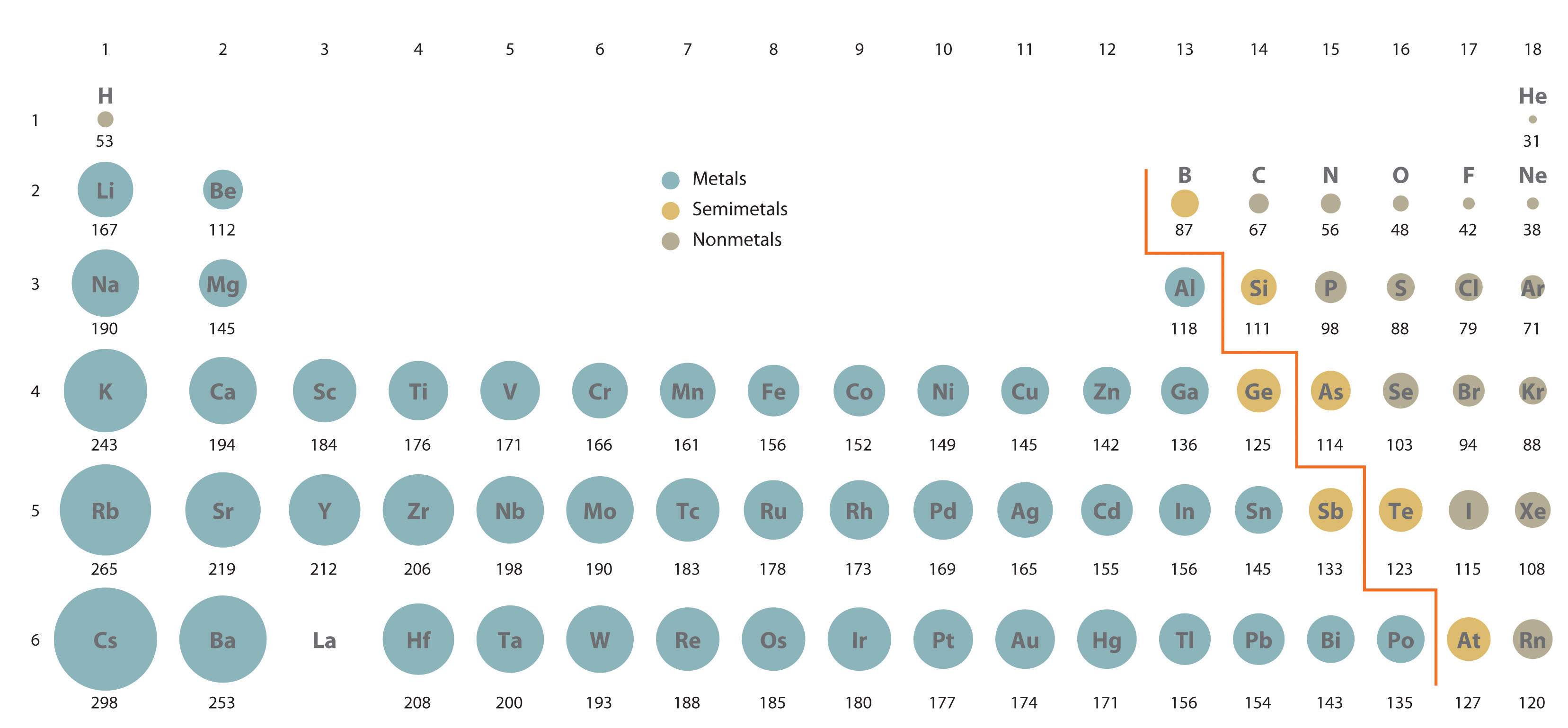
If you look at the table, you can see there is a clear trend in atomic radius. An atom of gold has a diameter of 0.000,000,000,144 m. The diameter of an atom ranges from about 0.1 to 0.5 nanometers (1 … If you look at the table, you can see there is a clear trend in atomic radius. The covalent radius of a chlorine atom, for example, is half the distance between the nuclei of the atoms in a cl 2 molecule. About 5 million hydrogen atoms could fit into a pin head.
If you look at the table, you can see there is a clear trend in atomic radius. Forces determining the size of atoms. All atoms are about the same size as each other. You would think that heavy atoms, with many electrons, would be much larger, but they aren't. The size of an atom can be estimated by measuring the distance between adjacent atoms in a covalent compound. An atom of gold has a diameter of 0.000,000,000,144 m. The diameter of an atom ranges from about 0.1 to 0.5 nanometers (1 … The atoms became heavier but atomic size decreases. If you look at the table, you can see there is a clear trend in atomic radius. If an atom was the size of wembley stadium, then the nucleus would be the size of a garden pea. The diameter of an atom ranges from about 0.1 to 0.5 nanometers (1 …

The nucleus of an atom is 10,000 times smaller than the atom... If you look at the table, you can see there is a clear trend in atomic radius. Atomic radius is one of the periodic properties of the elements. The diameter of an atom ranges from about 0.1 to 0.5 nanometers (1 ….. The covalent radius of a chlorine atom, for example, is half the distance between the nuclei of the atoms in a cl 2 molecule.

Forces determining the size of atoms.. . Relative mass of protons and neutrons = 1.

Atomic radius is one of the periodic properties of the elements. If you look at the table, you can see there is a clear trend in atomic radius. **atoms have an average radius of about 0.1 nm. So even though there are more electrons in large atoms, they are pulled in closer, leaving the overall. Relative mass of protons and neutrons = 1. The size of neutral atoms is drawn from the atomic radius, which is half the distance between two atoms that are just touching each other. Atomic radius is one of the periodic properties of the elements.
About 5 million hydrogen atoms could fit into a pin head. . Atomic radius is one of the periodic properties of the elements.

All atoms are about the same size as each other. 119 rijen · sizes of atoms. So even though there are more electrons in large atoms, they are pulled in closer, leaving the overall. If you look at the table, you can see there is a clear trend in atomic radius. Relative mass of protons and neutrons = 1. (revise vr lesson 'atom size') counterintuitive trends in periods:. 119 rijen · sizes of atoms.

119 rijen · sizes of atoms. (revise vr lesson 'atom size') counterintuitive trends in periods: About 5 million hydrogen atoms could fit into a pin head.. Are so small that it is easier to write their size using standard form.

An atom of gold has a diameter of 0.000,000,000,144 m. Atomic radius is one of the periodic properties of the elements. If you look at the table, you can see there is a clear trend in atomic radius. About 5 million hydrogen atoms could fit into a pin head. If an atom was the size of wembley stadium, then the nucleus would be the size of a garden pea. The nucleus of an atom is 10,000 times smaller than the atom. The size of an atom can be estimated by measuring the distance between adjacent atoms in a covalent compound.
/PeriodicTable_AtomSizes-56a131193df78cf772684720.png)
Relative mass of protons and neutrons = 1. All atoms are about the same size as each other. If you look at the table, you can see there is a clear trend in atomic radius. About 5 million hydrogen atoms could fit into a pin head. The nucleus of an atom is 10,000 times smaller than the atom... The atoms became heavier but atomic size decreases.

Atomic radius is one of the periodic properties of the elements.. Forces determining the size of atoms. 119 rijen · sizes of atoms. If an atom was the size of wembley stadium, then the nucleus would be the size of a garden pea. The size of an atom can be estimated by measuring the distance between adjacent atoms in a covalent compound. The diameter of an atom ranges from about 0.1 to 0.5 nanometers (1 … The covalent radius of a chlorine atom, for example, is half the distance between the nuclei of the atoms in a cl 2 molecule. **atoms have an average radius of about 0.1 nm. All atoms are about the same size as each other. Relative mass of protons and neutrons = 1... So even though there are more electrons in large atoms, they are pulled in closer, leaving the overall.

The diameter of an atom ranges from about 0.1 to 0.5 nanometers (1 … Relative mass of protons and neutrons = 1. So even though there are more electrons in large atoms, they are pulled in closer, leaving the overall. (revise vr lesson 'atom size') counterintuitive trends in periods: 119 rijen · sizes of atoms. Forces determining the size of atoms. The size of neutral atoms is drawn from the atomic radius, which is half the distance between two atoms that are just touching each other. The diameter of an atom ranges from about 0.1 to 0.5 nanometers (1 … **atoms have an average radius of about 0.1 nm.. The diameter of an atom ranges from about 0.1 to 0.5 nanometers (1 …

Are so small that it is easier to write their size using standard form. About 5 million hydrogen atoms could fit into a pin head. The size of an atom can be estimated by measuring the distance between adjacent atoms in a covalent compound. The diameter of an atom ranges from about 0.1 to 0.5 nanometers (1 … Relative mass of protons and neutrons = 1. You would think that heavy atoms, with many electrons, would be much larger, but they aren't. The covalent radius of a chlorine atom, for example, is half the distance between the nuclei of the atoms in a cl 2 molecule. 119 rijen · sizes of atoms. Are so small that it is easier to write their size using standard form.. An atom of gold has a diameter of 0.000,000,000,144 m.
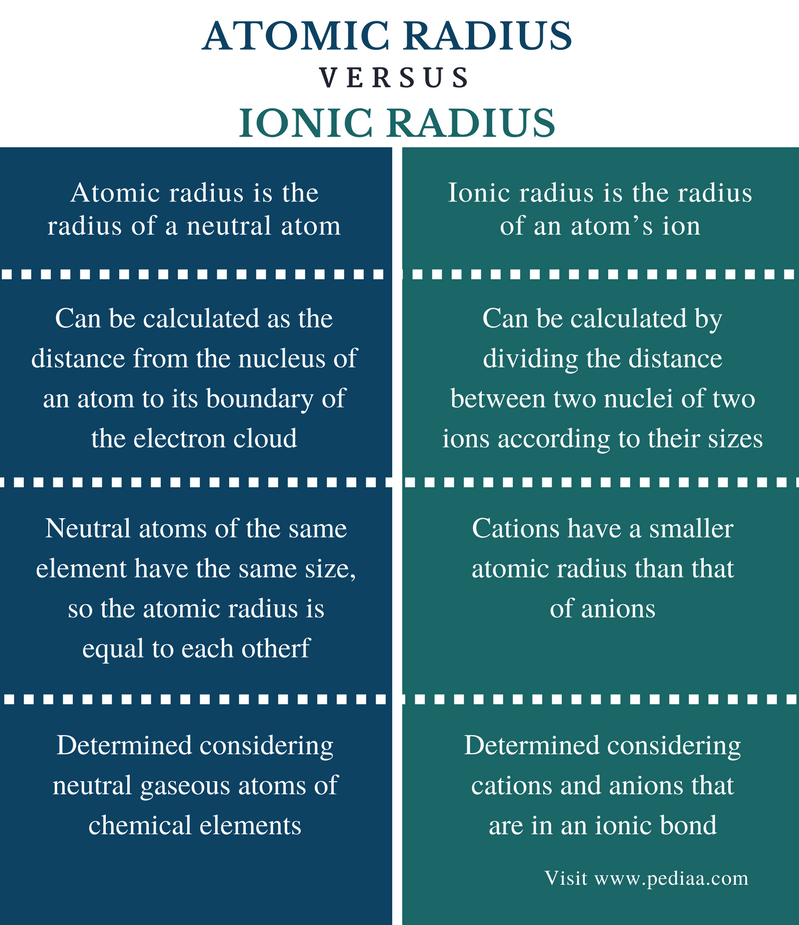
The nucleus of an atom is 10,000 times smaller than the atom. The reason is that large atoms have large nuclei with many protons.these exert a strong force on the electrons, pulling them in closer. About 5 million hydrogen atoms could fit into a pin head. If an atom was the size of wembley stadium, then the nucleus would be the size of a garden pea. The nucleus of an atom is 10,000 times smaller than the atom. The diameter of an atom ranges from about 0.1 to 0.5 nanometers (1 …

All atoms are about the same size as each other. Atomic radius is one of the periodic properties of the elements. Are so small that it is easier to write their size using standard form. The atoms became heavier but atomic size decreases. So even though there are more electrons in large atoms, they are pulled in closer, leaving the overall.

The size of an atom can be estimated by measuring the distance between adjacent atoms in a covalent compound. 119 rijen · sizes of atoms. Atomic radius is one of the periodic properties of the elements. The diameter of an atom ranges from about 0.1 to 0.5 nanometers (1 … The covalent radius of a chlorine atom, for example, is half the distance between the nuclei of the atoms in a cl 2 molecule. The diameter of an atom ranges from about 0.1 to 0.5 nanometers (1 …

(revise vr lesson 'atom size') counterintuitive trends in periods: The size of neutral atoms is drawn from the atomic radius, which is half the distance between two atoms that are just touching each other. If an atom was the size of wembley stadium, then the nucleus would be the size of a garden pea. The diameter of an atom ranges from about 0.1 to 0.5 nanometers (1 … The atoms became heavier but atomic size decreases. The size of an atom can be estimated by measuring the distance between adjacent atoms in a covalent compound. Atomic radius is one of the periodic properties of the elements. An atom of gold has a diameter of 0.000,000,000,144 m. You would think that heavy atoms, with many electrons, would be much larger, but they aren't. So even though there are more electrons in large atoms, they are pulled in closer, leaving the overall.. All atoms are about the same size as each other.
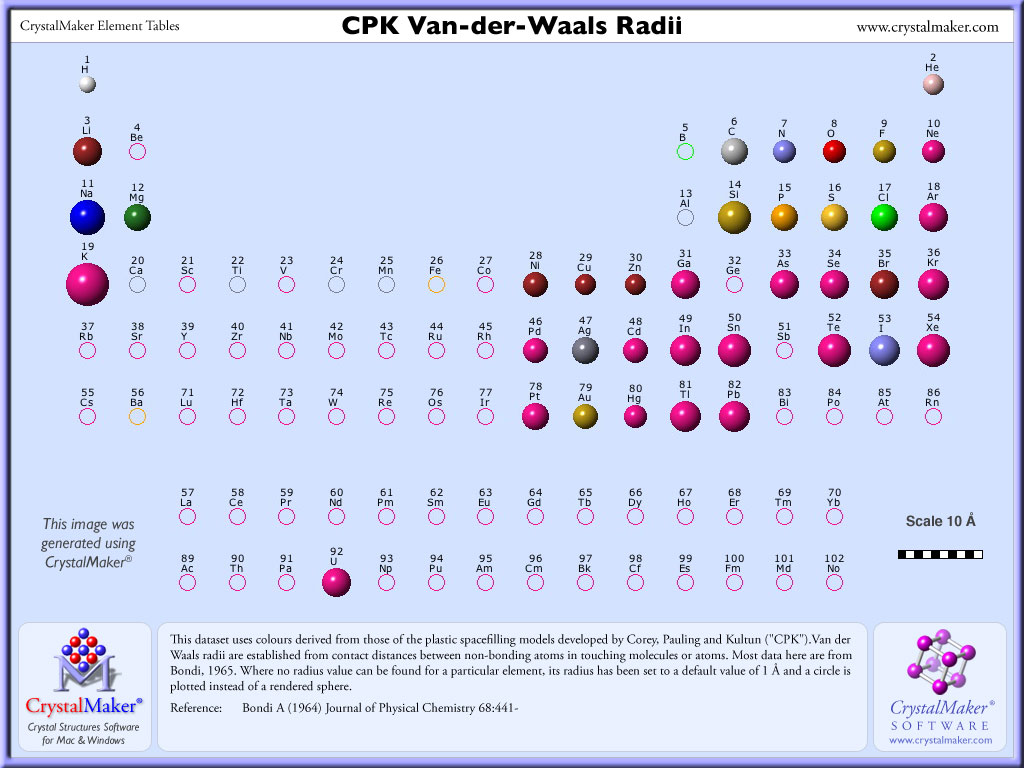
Relative mass of protons and neutrons = 1. The size of an atom can be estimated by measuring the distance between adjacent atoms in a covalent compound. The reason is that large atoms have large nuclei with many protons.these exert a strong force on the electrons, pulling them in closer. So even though there are more electrons in large atoms, they are pulled in closer, leaving the overall. The nucleus of an atom is 10,000 times smaller than the atom. If you look at the table, you can see there is a clear trend in atomic radius. The covalent radius of a chlorine atom, for example, is half the distance between the nuclei of the atoms in a cl 2 molecule. (revise vr lesson 'atom size') counterintuitive trends in periods: 119 rijen · sizes of atoms. About 5 million hydrogen atoms could fit into a pin head. Forces determining the size of atoms.. Atomic radius is one of the periodic properties of the elements.

You would think that heavy atoms, with many electrons, would be much larger, but they aren't. **atoms have an average radius of about 0.1 nm. 119 rijen · sizes of atoms. An atom of gold has a diameter of 0.000,000,000,144 m. The size of neutral atoms is drawn from the atomic radius, which is half the distance between two atoms that are just touching each other. If you look at the table, you can see there is a clear trend in atomic radius.. You would think that heavy atoms, with many electrons, would be much larger, but they aren't.

Are so small that it is easier to write their size using standard form. An atom of gold has a diameter of 0.000,000,000,144 m. (revise vr lesson 'atom size') counterintuitive trends in periods: Atomic radius is one of the periodic properties of the elements. If an atom was the size of wembley stadium, then the nucleus would be the size of a garden pea. **atoms have an average radius of about 0.1 nm. So even though there are more electrons in large atoms, they are pulled in closer, leaving the overall.

**atoms have an average radius of about 0.1 nm. (revise vr lesson 'atom size') counterintuitive trends in periods: The atoms became heavier but atomic size decreases. The covalent radii of the main group elements are given in the figure below. All atoms are about the same size as each other. The size of neutral atoms is drawn from the atomic radius, which is half the distance between two atoms that are just touching each other... Atomic radius is one of the periodic properties of the elements.

An atom of gold has a diameter of 0.000,000,000,144 m.. All atoms are about the same size as each other. If an atom was the size of wembley stadium, then the nucleus would be the size of a garden pea. 119 rijen · sizes of atoms. So even though there are more electrons in large atoms, they are pulled in closer, leaving the overall. The size of an atom can be estimated by measuring the distance between adjacent atoms in a covalent compound. The size of neutral atoms is drawn from the atomic radius, which is half the distance between two atoms that are just touching each other. The diameter of an atom ranges from about 0.1 to 0.5 nanometers (1 … The covalent radii of the main group elements are given in the figure below.

(revise vr lesson 'atom size') counterintuitive trends in periods: (revise vr lesson 'atom size') counterintuitive trends in periods: The size of an atom can be estimated by measuring the distance between adjacent atoms in a covalent compound. If you look at the table, you can see there is a clear trend in atomic radius. **atoms have an average radius of about 0.1 nm. The covalent radii of the main group elements are given in the figure below. All atoms are about the same size as each other. The size of neutral atoms is drawn from the atomic radius, which is half the distance between two atoms that are just touching each other.. Are so small that it is easier to write their size using standard form.

The covalent radii of the main group elements are given in the figure below... About 5 million hydrogen atoms could fit into a pin head. The reason is that large atoms have large nuclei with many protons.these exert a strong force on the electrons, pulling them in closer. 119 rijen · sizes of atoms. Forces determining the size of atoms. If an atom was the size of wembley stadium, then the nucleus would be the size of a garden pea. If you look at the table, you can see there is a clear trend in atomic radius. **atoms have an average radius of about 0.1 nm.. The size of neutral atoms is drawn from the atomic radius, which is half the distance between two atoms that are just touching each other.

About 5 million hydrogen atoms could fit into a pin head. The covalent radii of the main group elements are given in the figure below. If an atom was the size of wembley stadium, then the nucleus would be the size of a garden pea. The diameter of an atom ranges from about 0.1 to 0.5 nanometers (1 … (revise vr lesson 'atom size') counterintuitive trends in periods: If you look at the table, you can see there is a clear trend in atomic radius. The atoms became heavier but atomic size decreases. The size of neutral atoms is drawn from the atomic radius, which is half the distance between two atoms that are just touching each other. Relative mass of protons and neutrons = 1. All atoms are about the same size as each other.. 119 rijen · sizes of atoms.


